Navigating Mobile Roulette Landscapes: Live Dealer Experiences, Complimentary Trials, and Accelerated Payment Options
Erik Washington · Aug 12, 2026
Navigating Mobile Roulette Landscapes: Live Dealer Experiences, Complimentary Trials, and Accelerated Payment Options
Data from industry reports indicates that mobile roulette platforms expanded their reach significantly by August 2026, with developers integrating live dealer streams directly into apps that function across multiple device types. Observers note how these systems connect users to real-time table environments where professional croupiers manage wheel spins and bets through high-definition video feeds, while the underlying software handles random number generation to match physical casino standards. People who've examined app architectures find that live options often include variants such as European, American, and French roulette, each delivered via dedicated streaming channels that support chat functions and multi-camera angles for clearer visibility of the action. Research from gaming technology firms shows integration with 5G networks reduced latency in these streams, allowing smoother interactions during peak usage periods.Live Dealer Features in Pocket-Sized Formats
Studies conducted by digital entertainment analysts reveal that live dealer roulette in mobile environments relies on secure video protocols to transmit events from licensed studios located in various jurisdictions, and these setups maintain compliance with regional oversight bodies such as those in Malta and Gibraltar. Users access these options through dedicated app sections where tables are listed by stakes and dealer schedules, with filters that sort by language or betting limits.
One developer case documented in technology reviews highlighted how augmented overlays display statistics like recent spin outcomes without interrupting the video feed, and this approach lets participants track patterns while placing wagers through touch interfaces. Data indicates that such features saw increased adoption in commuter scenarios during summer 2026, as connection stability improved across urban networks.
Complimentary Trial Modes and Their Role
Industry documentation outlines how free trial modes in mobile roulette apps provide demo versions of both RNG-based and live tables, letting individuals test mechanics without financial commitment through virtual credit systems that reset on each session. These trials often mirror full versions in terms of interface layout and rule sets, including side bets and multi-wheel configurations that appear in paid environments.
According to reports from the Australian Gambling Research Centre, trial usage correlates with higher retention rates among new registrants, as participants gain familiarity with payment flows and variant differences before transitioning to real-money play. App providers typically limit demo access to registered accounts, though some extend unlimited sessions to encourage broader exploration of game libraries.
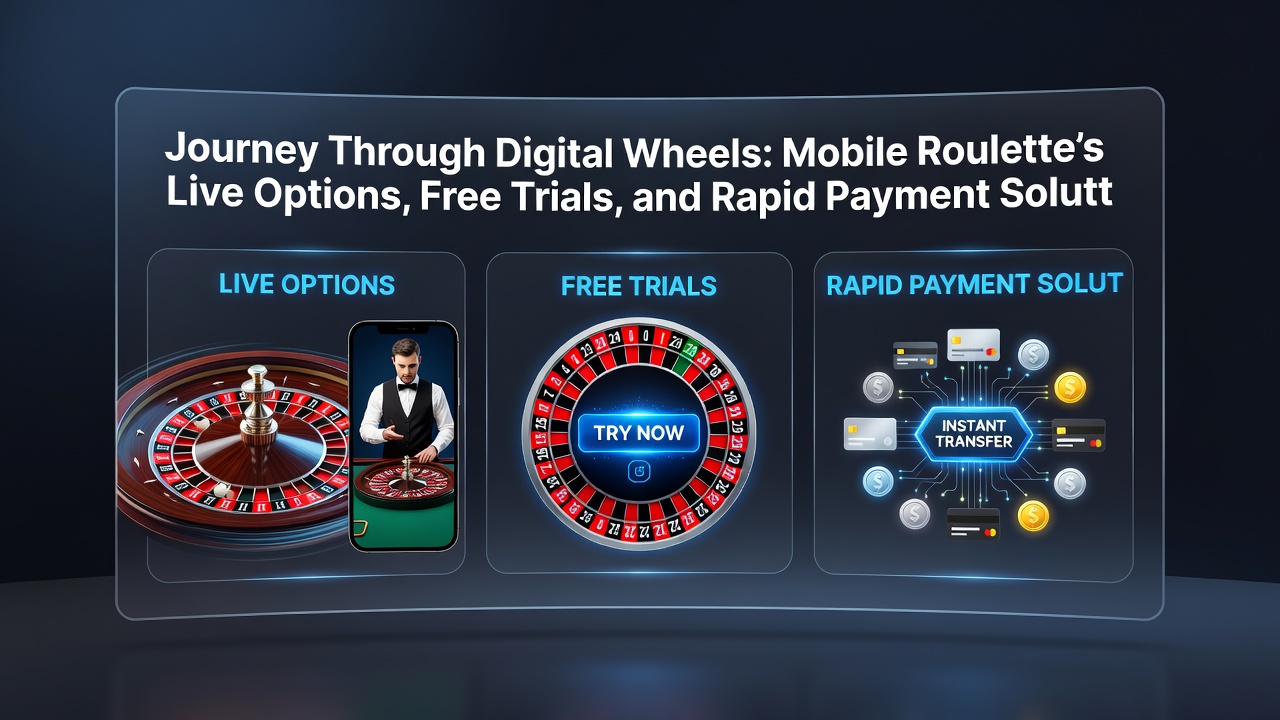
Streamlined Payment Systems for Daily Transactions
Payment solution providers in the mobile gaming sector report that instant deposit methods now encompass digital wallets, bank transfers via open banking APIs, and cryptocurrency gateways that process within seconds on most platforms. These systems link directly to user profiles, enabling one-tap funding that updates balances in real time while incorporating verification steps to align with anti-fraud protocols.
Figures from the European Gaming and Betting Association show that transaction speeds in leading roulette apps averaged under 10 seconds for deposits in the first half of 2026, with withdrawal options expanding to include prepaid cards and instant payout services in select markets. Observers note that app developers prioritize compatibility with regional banking standards, which reduces friction for everyday users managing smaller, frequent transfers.
Integration of Features Across User Journeys
Those who've reviewed platform updates find that successful apps combine live dealer access with trial modes and rapid payments through unified dashboards, where switching between demo and funded play requires minimal navigation steps. Case examples from app analytics firms demonstrate how push notifications alert users to new dealer shifts or trial bonuses, while payment histories integrate into account summaries for quick reference.
Technical evaluations indicate that security layers such as biometric logins and encrypted session tokens protect these combined functions, and regulatory frameworks in multiple regions require regular audits of both live stream integrity and transaction processing accuracy. This setup supports consistent availability across time zones, particularly as mobile data infrastructure advanced through mid-2026.
Conclusion
Overall patterns in mobile roulette development point to continued refinement of live options, trial accessibility, and payment efficiency as core components that support broader participation. Data compiled through August 2026 underscores how these elements interconnect within apps, creating pathways for users to engage with roulette formats that align with varying schedules and preferences while adhering to established operational standards.