Mapping Mobile Roulette in Motion: Registration Sequences, Payment Pathways, and Game Type Evolutions Amid Daily Journeys
Quinn Keller · Aug 14, 2026
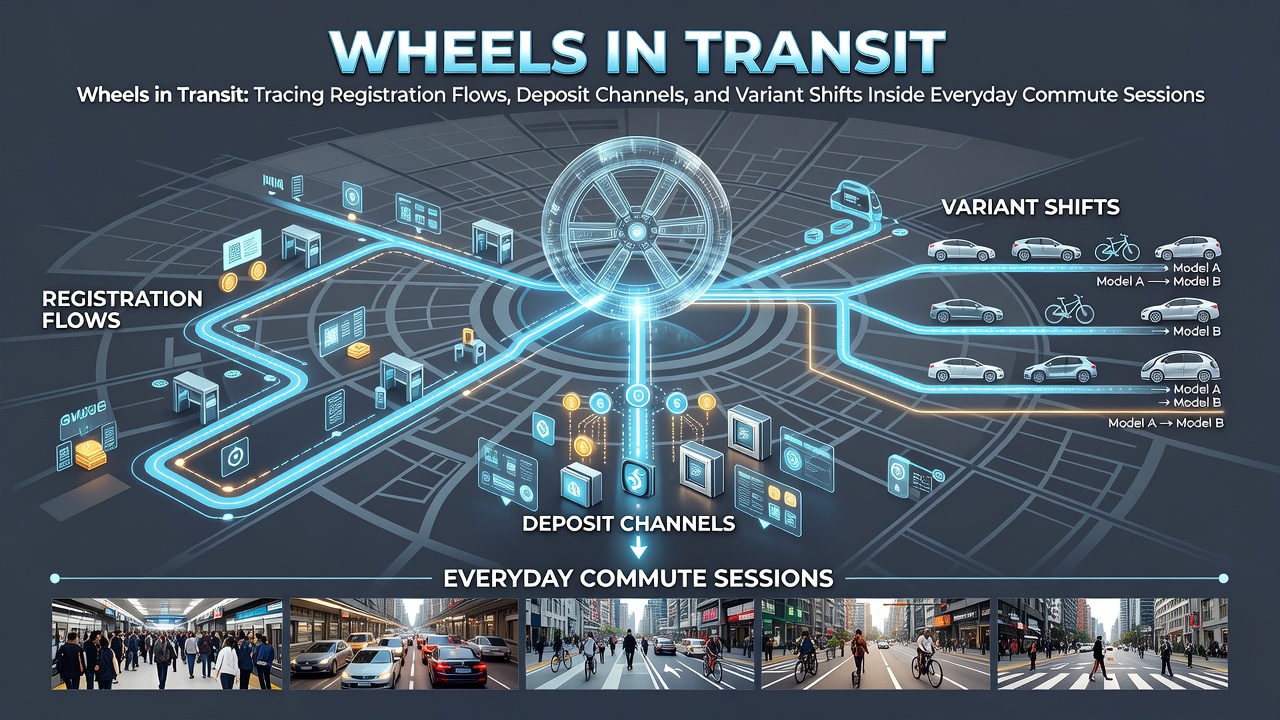
Mapping Mobile Roulette in Motion: Registration Sequences, Payment Pathways, and Game Type Evolutions Amid Daily Journeys
Observers tracking digital gaming patterns have documented distinct flows in how users complete registration steps while traveling on public transport or in vehicles during peak hours. Data collected across multiple platforms indicates that sign-up processes often begin with email verification or social login prompts that users complete between stops, followed by identity checks that integrate with device biometrics for quicker access. Studies from the University of Nevada, Las Vegas Center for Gaming Research reveal that these sequences typically take under three minutes when users have pre-loaded documents on their phones, allowing seamless entry into live dealer environments without interrupting the journey.
Registration Patterns During Transit
Analysts examining app telemetry note that registration flows adapt to intermittent connectivity common in tunnels or crowded stations, with many systems employing offline caching for initial form data before syncing upon signal restoration. Those monitoring user behavior in August 2026 reported a rise in one-tap verifications tied to mobile carriers, which reduced drop-off rates compared to earlier years when full manual entries dominated. Experts at the European Gaming and Betting Association have observed that commuters frequently initiate accounts during morning rushes, completing profile details while seated yet pausing for safety protocols when movement resumes.
Deposit Channels and Funding Shifts
Payment pathways show clear preferences for instant wallet integrations that support contactless top-ups via NFC or QR codes scanned during brief waits. Figures from industry reports highlight increased adoption of regional banking apps that link directly to gaming accounts, bypassing traditional card entries in favor of tokenized transfers completed in seconds. Researchers tracking these channels point out that deposit success rates climb when users pre-authorize recurring small amounts, a pattern evident in commute logs where sessions last between five and fifteen minutes. And variations emerge by region, with European commuters favoring digital wallets while North American patterns lean toward prepaid vouchers loaded beforehand.

Variant Transitions in Real Time
Game type changes occur frequently within single sessions as users switch between European, American, and French roulette formats based on available tables and stake levels displayed in-app. Tracking data shows commuters often start with demo modes for quick orientation before transitioning to live dealer streams that mirror physical casino pacing. Observers note that variant shifts align with journey duration, with shorter trips favoring faster American wheel spins while longer routes allow for French rules that include additional betting options like La Partage. Evidence from platform analytics indicates these adjustments happen mid-commute without full session restarts, preserving user progress across network handoffs.
Integration with Daily Travel Routines
Case examples collected by researchers illustrate how registration and deposit steps interleave with routine actions such as checking schedules or adjusting headphones. One documented instance involved a user completing identity verification at a bus interchange before funding an account via mobile payment during the next leg, then entering a live session upon reaching a stable connection point. Such flows demonstrate compatibility with fragmented attention spans typical of transit environments. Data indicates that apps optimized for background audio notifications maintain engagement even when visual focus shifts to surroundings.
Broader Trends in August 2026
Reports compiled during August 2026 highlight steady growth in commute-based sessions across urban networks, driven by refined app interfaces that minimize data usage. Those analyzing traffic patterns find correlations between peak travel times and spikes in variant experimentation, where users test multiple wheel configurations within constrained windows. Academic papers on digital behavior further connect these activities to improved battery management features that extend play without draining device resources during extended trips.
Conclusion
Overall patterns in registration flows, deposit channels, and variant shifts underscore how mobile roulette adapts to the rhythms of everyday movement. Information gathered from diverse sources shows these elements combine into efficient sequences that fit within typical journey lengths, supported by technical refinements observed through 2026. Continued monitoring by research bodies will clarify how such integrations evolve alongside transport infrastructure changes.