Deposit Choices Shape Strategy Adjustments in Roulette Variants During Free Trial Periods
Anna Koch · Oct 10, 2026
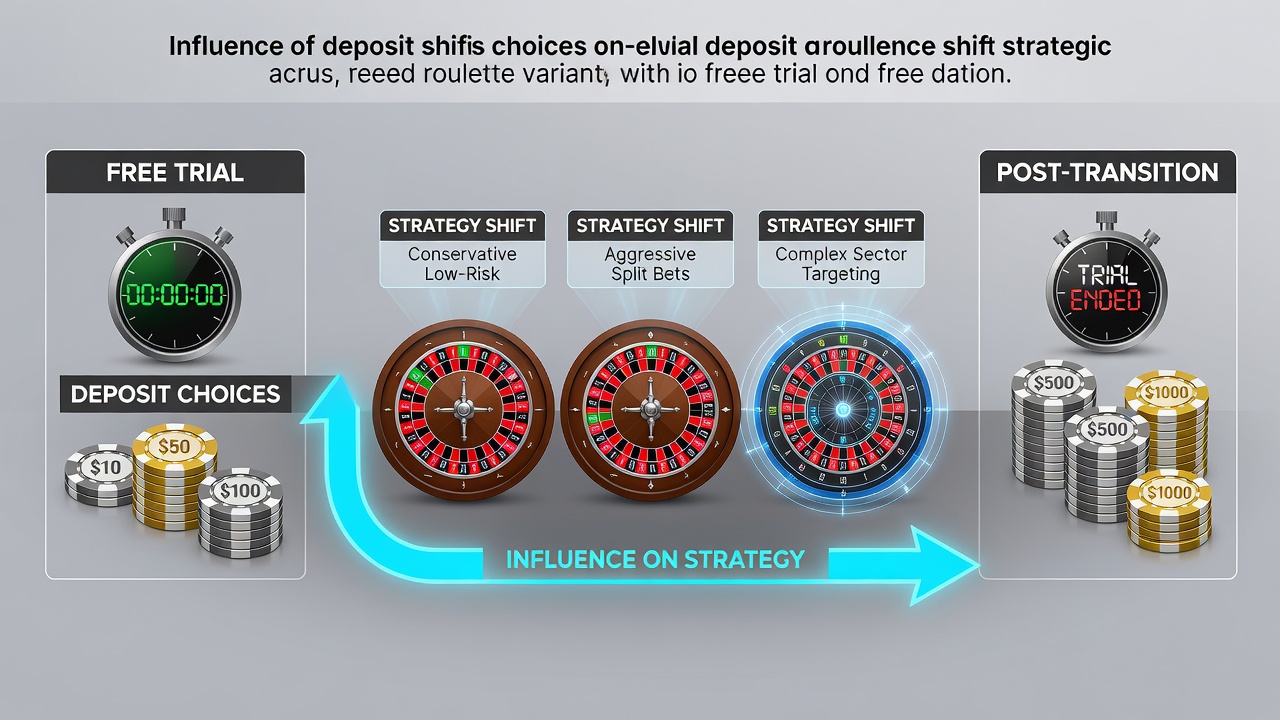
Deposit Choices Shape Strategy Adjustments in Roulette Variants During Free Trial Periods
Deposit selections play a direct role in how players modify their approaches when moving from free trial modes to real-money play across different roulette formats, and data from October 2026 highlights steady growth in these transitions within mobile casino environments. Players often start with demo versions that replicate European, American, or French roulette rules, then adjust tactics based on funding methods such as instant bank transfers, digital wallets, or card payments that become available after the trial phase ends.
Free Trial Mechanics and Initial Strategy Testing
Free trial sessions allow users to test betting patterns without financial risk, and researchers at the University of Nevada Las Vegas have documented how participants experiment with martingale or d'Alembert systems during these periods before committing funds. European roulette variants with a single zero attract trial users seeking lower house edges, while American versions featuring double zeros prompt more conservative trial strategies that carry over once deposits activate real play. Observers note that trial data reveals players refine wheel sector selections and bet sizing in response to payout structures that differ by variant, setting the stage for deposit-driven shifts once real stakes enter the equation.
Impact of Specific Deposit Methods on Variant-Specific Tactics
Instant wallet deposits enable quicker shifts to aggressive strategies in French roulette, where la partage rules reduce losses on even-money bets, whereas card-based funding often correlates with slower progression to higher-stake American roulette sessions. Data shows that players selecting e-wallet options maintain trial-tested progression systems across variants because transaction speed supports real-time adjustments, while those using bank transfers tend to consolidate into fewer variants after funding completes. Studies indicate deposit limits imposed by certain methods influence bankroll allocation, leading participants to favor European layouts during early real-money phases before expanding to multi-zero versions as balances grow.
Observed Patterns in October 2026 Transitions
October 2026 figures reveal increased trial-to-deposit conversions in apps offering seamless funding flows, with strategy modifications appearing most pronounced when users move between single-zero and double-zero tables. One documented case involved players who began with flat betting in free European roulette sessions then adopted split-bet progressions after wallet deposits unlocked higher table limits in American variants. Those using prepaid card deposits frequently restricted themselves to French roulette upon entering paid mode because lower minimums aligned with trial bankroll management techniques, whereas cryptocurrency funding supported broader experimentation across all three major variants without immediate strategy contraction.

Regulatory Context and Cross-Regional Comparisons
According to reports from the Nevada Gaming Control Board, deposit transparency requirements affect how operators present funding choices during trial exits, which in turn shapes player decisions on variant selection. Australian research centers have similarly tracked how regulatory caps on instant deposits lead users to retain conservative strategies developed in free play when transitioning to real Australian online roulette offerings. These patterns demonstrate that funding speed and verification steps determine whether trial strategies expand or contract once actual wagers begin.
Conclusion
Deposit choices therefore function as pivotal triggers that determine the direction and extent of strategy evolution when players leave free trial environments for paid roulette across European, American, and French variants. Evidence from multiple regions confirms that transaction type, speed, and associated limits guide bankroll deployment and variant preference once real money activates, creating measurable differences in how trial-developed approaches persist or adapt in live settings.